


Is It Safe to Sleep in a Freshly Painted Room?
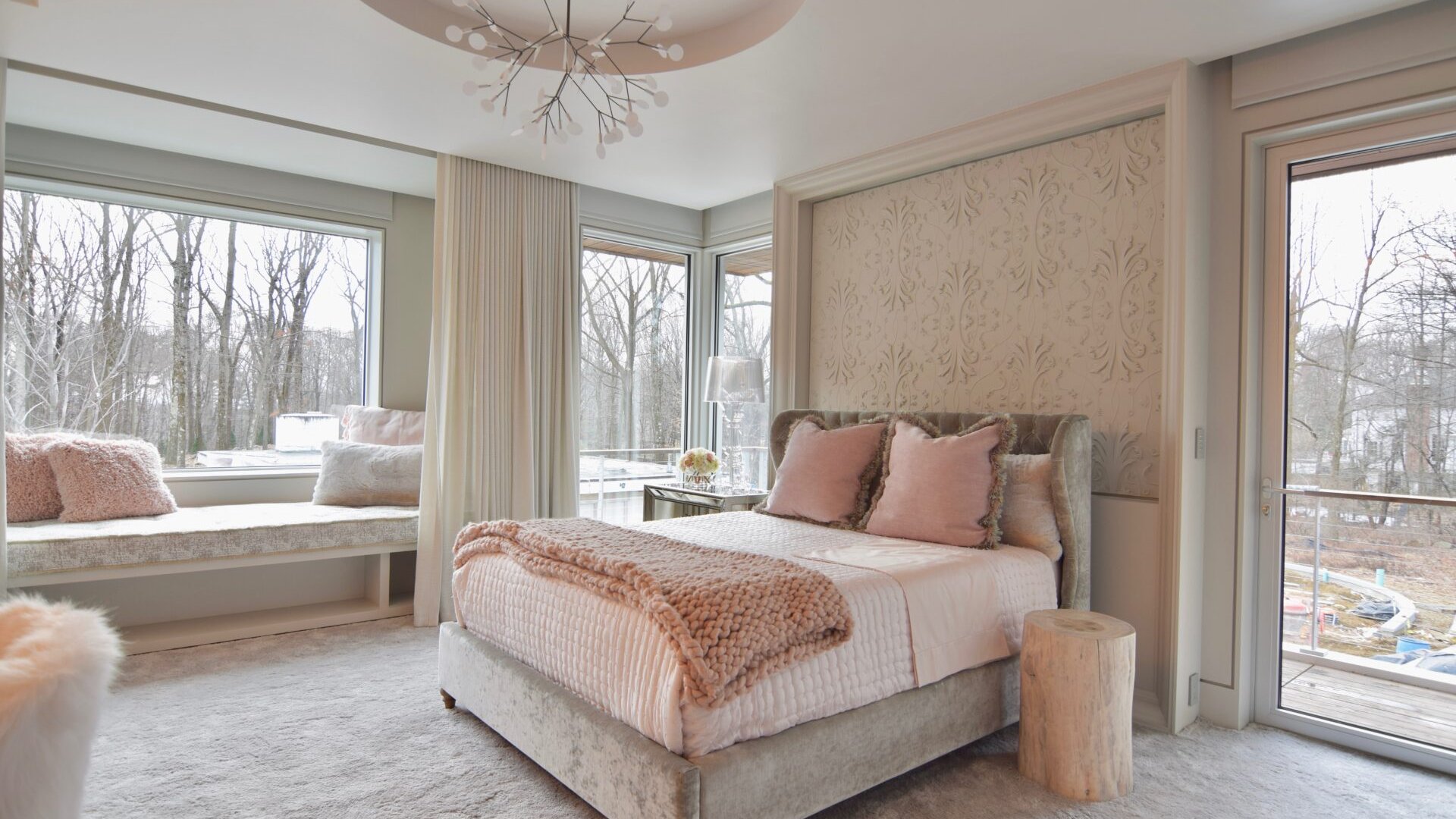
Not right away. A freshly painted bedroom needs to air out first, and that takes longer than the paint takes to dry. The EPA’s indoor painting guide suggests two to three days of ventilation, and keeping young children and anyone with breathing problems out of the room until then.
Can the kids sleep in their own rooms tonight? On a winter repaint, with the windows shut most of the day and everybody home, that question sets the whole schedule.
In Harrison the answer changes from house to house. Its median home was built in 1963, per the U.S. Census Bureau’s American Community Survey for 2019 to 2023. Housing in town splits almost evenly by era: 22% built before 1940, 24% from 1940 to 1959 and 24% from 1960 to 1979.
When we paint bedrooms in Harrison, up in Purchase or over the line in White Plains, the sleeping plan gets settled before anyone talks color.
How long after painting can you sleep in the room?
A bedroom is ready to sleep in once the paint is dry and the air has cleared, and the second part takes longer. Paint can feel dry to the touch while it’s still releasing vapor. EPA guidance calls out that exact mistake, the idea that dry paint is safe.
Four things change how long your room needs. Water-based paint gives off fewer chemicals and lower vapor levels than oil-based paint, per the same guide. Two coats on the walls plus enamel on the trim and doors means more to air out than a single ceiling coat.
Fresh air is the third, and an open window with a box fan blowing out beats any gadget. Bathroom and kitchen exhaust fans don’t always vent outside, so the guide warns against relying on them. And the sleeper matters most, since a healthy adult and a toddler aren’t the same case.
Does the age of the house change how fast a room airs out?
House age changes how fast a painted room clears. Older houses trade air with the outdoors through countless small gaps, while newer, tighter ones hold onto it. In its guide to indoor air quality, the EPA notes that homes built to limit air leakage may hold higher pollutant levels than leakier ones.
Harrison’s spread of eras makes that practical. A 1920s house with its original windows won’t air out like a 1970s house with replacement windows and a sealed attic. In the cold months, both keep their windows shut.
That’s why the EPA’s painting guide suggests dry stretches in fall or spring, when windows are easier to leave open. Winter jobs still work; they just lean harder on the order we paint the rooms.
How do we plan bedrooms when the family stays home?
Bedroom order gets set at our pre-production meeting, before a single drop cloth goes down, and it’s built around who sleeps where. Here’s the sequence we work through with a family that’s staying put:
- Map the nights. Who sleeps where, who needs extra care (a baby, say, or someone with asthma) and which nights can’t move, like a holiday visit.
- Pick a swing room. A guest room or an office becomes the backup bedroom. If it’s on the list, we paint it first so it’s had the longest to air out by the time someone needs it.
- Paint the shared rooms next. Halls, the stairwell and the living spaces go while the swing room airs. Rooms we aren’t painting stay protected, and an air scrubber runs where we work.
- Move the sleepers, then paint their rooms. Kids’ rooms get painted first thing in the morning, and the kids spend the EPA’s two to three days in the swing room.
- Finish with the primary bedroom. It gets an early start too, and the adults move into the swing room once the kids are back in theirs.
Commuters have the easiest time of it. If you ride the New Haven Line from Harrison station, a bedroom painted after your train leaves has the whole day to itself before you’re home. Each day’s update tells you which rooms are next and which ones you get back that night.
Holidays and school breaks are where the plan gets tight. Every bedroom carries its airing days, and those don’t compress. A house that has to be guest-ready for the holidays needs its sequence worked out early.
If you’d like the sleeping plan mapped for your house, call 1 (800) 687-9470 and we’ll walk it room by room at a free in-home consultation.
Is it safe to be in the house while it’s being painted?
Staying home during an interior repaint is safe for most families when the work area is kept apart from the rooms you’re using. We protect every area that isn’t being painted and run air scrubbers to keep dust and smell from drifting into the rest of the house. An air scrubber doesn’t replace fresh air in the room we just painted, though.
Customers bring up the daily routine in their reviews: the crew cleaned up at the end of each day, and someone checked in daily. At Palette Pro Painting & Renovation, that’s how our interior painting crews run an occupied house, with the bedroom order planned before day one.
Handing a bedroom back is our favorite part of these jobs. Furniture’s back where it was, and the color finally looks the way somebody pictured it on the sample. You’ll find rooms like that in our interior painting portfolio.
Frequently Asked Questions
Should bedrooms be painted before or after holiday guests arrive?
Bedrooms should be painted before holiday guests arrive only when the schedule leaves each room its full airing days before anyone sleeps in it. A guest room painted the morning your family lands isn’t ready for them that same night.
If the dates are tight, we paint the family’s rooms first and the guest room after the visit.
What are the risks of breathing in paint fumes?
Breathing paint fumes can cause short-term symptoms in some people, including the eye, throat or lung irritation, headaches, dizziness and vision problems the EPA lists. Your risk depends on the paint, how much vapor is in the air, how long you’re exposed and your own sensitivity.
If your eyes water or you get a headache, feel dizzy or have trouble breathing, leave the painted area, which is the EPA’s own advice.
Can a baby or someone who’s pregnant sleep in a newly painted room?
A baby shouldn’t sleep in a newly painted room until it’s had the EPA’s full two to three days of airing. EPA guidance also tells pregnant women to limit their time in freshly painted rooms, especially when oil-based paint was used.
Plan a nursery early in the job, never the week the baby’s due.
Will an air purifier help a painted bedroom air out faster?
An air purifier won’t do much for paint vapor, because the EPA says air cleaners generally aren’t designed to remove gases. Fresh air does the work: open the windows as far as the weather allows and secure a box fan in one, blowing out.
In the coldest weeks, sensitive sleepers usually wait out the full two to three days in another room.
Does oil-based trim paint change how long you should wait?
Oil-based trim paint can stretch the wait. According to the EPA, short-term solvent exposure from oil-based (alkyd) paint can be significantly higher than from latex. In a bedroom someone’s sleeping in, that’s a good reason to talk through a water-based enamel for the trim and doors.
Ask us for the label on anything going into a bedroom, since it lists that product’s own precautions.
Want the bedrooms finished before the next school break, with nobody sleeping in fresh paint? Our process doesn’t end at the walk-through. It includes a 30-day follow-up and 12-month inspection, and homeowners have given us 4.9 stars across 140+ Google reviews. We work in homes across Westchester County, NY and Fairfield County, CT. Call 1 (800) 687-9470 to set up a free in-home consultation.
