


Interior Painting in Stamford, CT: Color and Character for Every Home
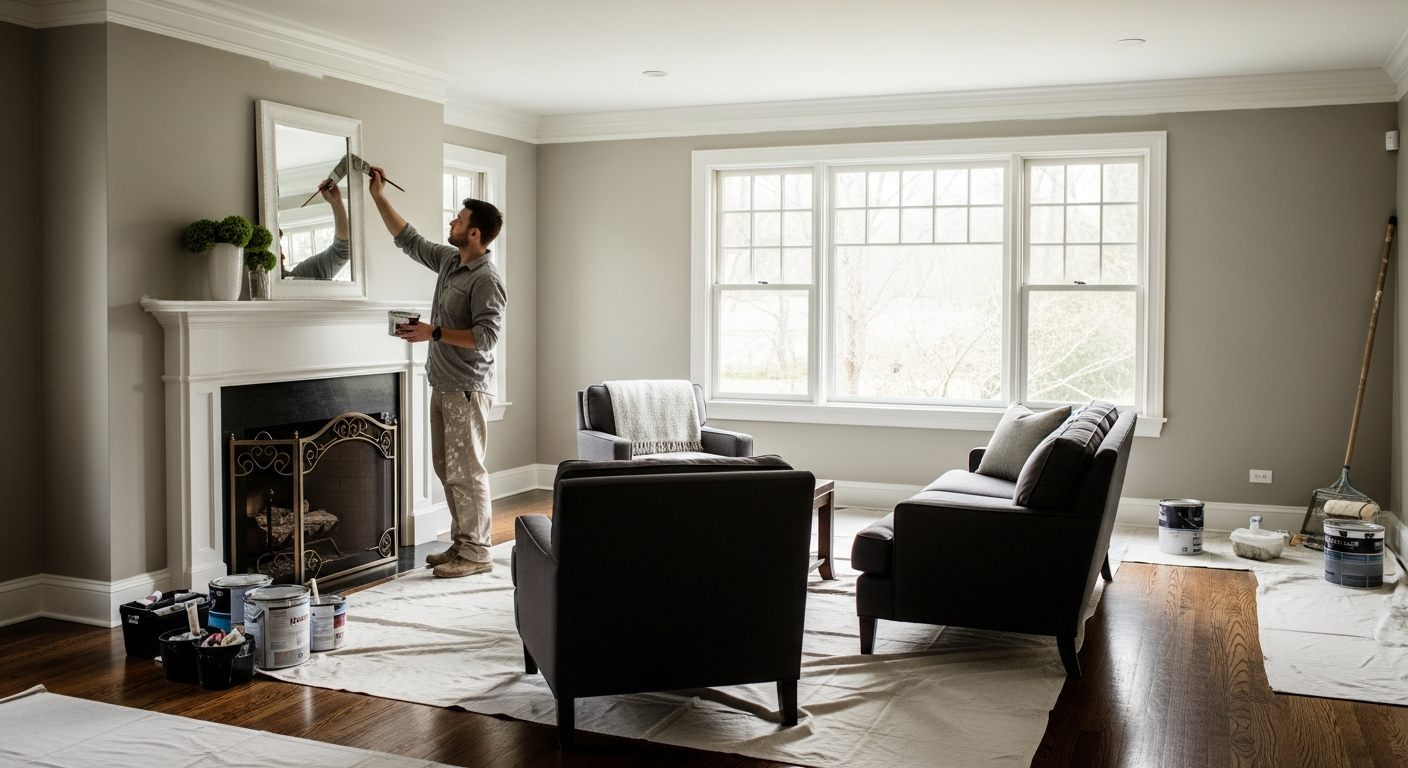
Understanding Stamford’s Housing and Interior Needs
Downtown Stamford’s high-rises and newer condos have modern elements. High ceilings. Open floor plans. Lots of light from floor-to-ceiling windows. Walls need paint that works in these bright, spacious contexts. Many downtown units have white or off-white walls when new, and owners want color or a more personalized feel without violating HOA guidelines.
HOA restrictions are a real consideration in many Stamford condos and some townhouse communities. You might love a bold color, but your building doesn’t allow anything darker than a specific gray or neutral. Working within these constraints takes knowledge and experience. A good contractor can help you choose from approved options in a way that still feels fresh and intentional.
North Stamford’s Colonials and contemporaries are bigger, often with dedicated dining rooms, multiple living spaces, and architectural detail. These homes have higher ceilings, crown molding, wainscoting, and trim work that demands attention. Paint quality matters here because cheap paint doesn’t cover or adhere as well to woodwork. The contrast between wall color and trim color is more dramatic in these spaces and needs to be thoughtful.
Springdale’s mid-century homes are experiencing renewed interest from families wanting to renovate and make these properties their own. These homes often have smaller, more compartmentalized rooms and lower ceilings compared to newer construction. Paint color can make these spaces feel larger and less dated. Warm neutrals and soft colors work better here than in the soaring open plans of newer homes.
Shippan Point’s estate homes vary widely, from restored vintage Colonials to contemporary builds. Owners in this neighborhood tend to be design-conscious and either have strong ideas about their interiors or work with designers. Interior painting contractors need to match professional expectations and precision.
Interior Painting Basics: Prep, Paint, and Precision
Most homeowners assume interior painting is straightforward. Empty a room. Paint the walls. Done. the fact is more layered, and it’s why hiring the right contractor matters.
Prep work makes all the difference. Walls need to be cleaned to remove dust and scuffs. Holes need to be filled and sanded smooth. Trim needs to be cleaned. Baseboards should be primed or painted to match the walls or provide contrast as designed. Light switches and outlet covers should be removed so painting is clean and accurate.
Tape and protection are critical. Quality painter’s tape applied correctly prevents paint from bleeding onto trim, ceilings, or adjacent walls. Drop cloths protect floors and furniture. Every detail of this prep phase determines whether the finished project looks professional or rushed.
Paint selection is where color comes in. Interior paint comes in various sheen levels: flat or matte (no shine, hides imperfections but less washable), eggshell (soft glow, slightly more washable), satin (subtle sheen, very washable), and semi-gloss or gloss (shiny, most durable). For walls, eggshell or satin is standard. Bathrooms and kitchens benefit from satin or semi-gloss because they’re more moisture-resistant and washable.
Quality matters. Premium paint from major manufacturers covers better, lasts longer, and resists stains and fading compared to cheaper options. It’s tempting to save money on paint, but a quality paint with proper primer actually means fewer coats needed and better long-term results.
Priming is essential if you’re making a significant color change, covering stains, or painting new drywall. A primer seals the surface, provides a base for topcoat adherence, and prevents old colors from showing through. Skipping primer to save time or money guarantees disappointing results.
Application matters. A professional painter applies paint evenly, maintains a wet edge to avoid lap marks, uses proper brush and roller techniques, and works methodically. They also know how to work around obstacles, trim, and fixtures without creating obvious paint lines or coverage gaps.
Color Strategy for Different Stamford Spaces
Choosing a color is personal, but there are practical considerations that help narrow the choice.
Light matters most. A room with large south-facing windows gets constant bright light. Colors look different depending on lighting conditions. A paint sample that looked perfect under store lighting might look completely different in your actual room at different times of day. Good contractors recommend getting sample pots and painting large areas of wall to see how colors change throughout the day.
Room purpose influences color choice. A bedroom benefits from softer, warmer colors that feel restful. Nurseries often get soft pastels or warm neutrals. Home offices benefit from colors that are professional but not boring. Living rooms can go bolder because you’re spending leisure time there. Kitchens and bathrooms often work better with lighter colors because they tend to be smaller and benefit from the visual expansion light colors provide.
Architecture and existing finishes matter. A North Stamford Colonial with crown molding and dark hardwood trim might look best with a warm white or soft taupe. A contemporary condo with minimal trim can handle bolder colors. Existing flooring, cabinetry, and furniture all influence what colors work.
Stamford homeowners often lean toward neutrals because they feel safe. Soft whites, warm grays, greiges (gray-beige blends), and soft greens are perpetually popular. But executed well, these neutrals feel intentional and beautiful, not bland. The quality of the paint and the precision of application make all the difference.
Special Considerations: Crown Molding, Trim, and Architectural Detail
Many Stamford homes, particularly Colonials and older properties, have significant architectural detail. Crown molding, wainscoting, built-in shelving, and trim work demand attention during painting.
Some homeowners paint everything one color. This is clean and modern. Others paint trim and baseboards white or a contrasting color to walls. This is more traditional and emphasizes architectural detail.
Crown molding specifically often looks best in white or a color slightly lighter or whiter than the wall color. This draws the eye upward and creates visual interest without being jarring.
Painting trim requires a steadier hand and different technique than painting large flat walls. Brushwork matters. The paint should be applied smoothly without runs or drips. Quality trim paint adheres better to wood and stays looking fresh longer.
Some trim has stains or water damage. Primer is essential before painting over damaged wood. Some contractors prefer oil-based trim paint over latex for durability and ease of application, though latex has improved dramatically and many modern painters prefer it for cleanup and lower VOC content.
Interior Painting for Condo HOAs and Complex Rules
If you’re painting in a Stamford condo with HOA restrictions, know the rules before committing to a color. Many buildings maintain approved color palettes. Some allow any neutral within a certain range. Some are very specific.
Getting approval from your HOA before starting is non-negotiable. A painter who’s worked in buildings with restrictions understands how to handle these situations. They can show you what colors are typically approved and help you make a choice that works.
Some buildings also restrict when you can paint. Noise ordinances might limit to certain hours. Restrictions on access for contractors might mean scheduling around building rules. A professional contractor is familiar with these constraints and can coordinate properly.
Frequently Asked Questions
How long does interior painting take?
For a single room or small apartment, typically one to three days. For a full house interior, typically one to two weeks depending on size, number of rooms, and complexity. If furniture is in place or there’s lots of trim detail, it takes longer.
Do I need to move all my furniture?
It’s easiest if rooms are empty, but not always necessary. Professional painters can work around furniture and protect it with drop cloths. They’ll move smaller items as needed. Large furniture usually should be moved or at least pulled away from walls.
Can you paint over wallpaper or remove it first?
Wallpaper should typically be removed before painting because paint won’t adhere well to it long-term. Removing wallpaper adds time to the project, but it’s usually the right approach. Some modern wallpapers can be painted over if they’re well-adhered, but it’s not ideal.
What sheen should I choose for my walls?
Eggshell or satin are most popular for bedrooms and living areas because they’re washable but not too shiny. Flat or matte hides imperfections better but is less washable, which is why it’s less common in high-traffic areas. Kitchens and bathrooms should be satin or semi-gloss for moisture resistance and washability.
How much does interior painting cost in Stamford?
Cost depends on square footage, number of coats needed, complexity of trim work, and whether prep like drywall repair or primer is needed. A small room might be a few hundred dollars. A full house interior might be several thousand. Get estimates from local painters to understand the cost for your specific project.
Ready to refresh your Stamford home with fresh paint? Palette Pro Painting & Renovation has earned 140+ five-star Google reviews from homeowners across Westchester and Fairfield counties. Call 1 (800) 687-9470 for a free estimate, or visit palette-pro.com to see our work.
Related reading
- interior painting in nearby Westport
- refined interior finishes in Greenwich homes
- how we paint Darien interiors
- our Stamford, CT painting services
