

Interior Painting in Westport, CT: Refreshing Your Coastal Home with Expert Craftsmanship
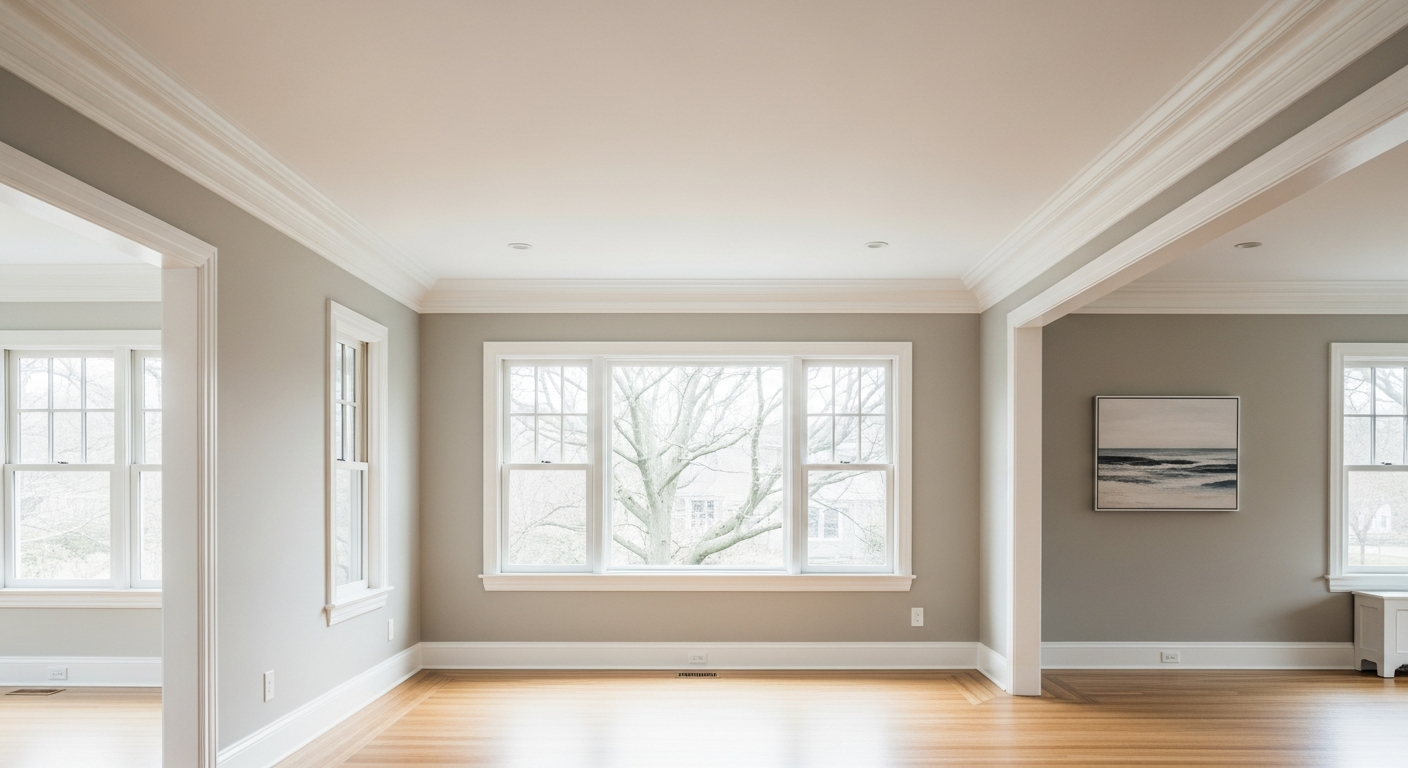
Westport’s Homes and Their Interior Painting Needs
Westport isn’t a one-size-fits-all town for housing. You’ve got waterfront estates near Compo Beach with soaring ceilings and premium finishes. You’ve got the quiet sophistication of Green’s Farms, where understated elegance is the rule. There’s the artsy vibe near the Playhouse district and the newer luxury construction on the Weston border.
What these neighborhoods share is a tendency toward thoughtful design choices. Westport homeowners often work with interior designers. They care about light, proportion, and how colors interact with natural surroundings. Coastal neutrals dominate the palette here: whites, soft blues, warm grays, and the occasional subtle sage. But “neutral” doesn’t mean bland. It means intention.
The older homes, particularly those pre-1980 builds, often have plaster walls instead of drywall. Plaster is beautiful. It holds paint differently than drywall, develops a subtle texture, and can age gracefully. But it also means proper prep work becomes critical. Small cracks, uneven surfaces, and the varying absorbency of plaster all require a contractor who understands how to handle it. That’s not something every painter knows.
Then there’s the matter of trim. Many Westport homes feature decorative woodwork, crown molding, and built-in cabinetry that deserve semi-gloss or satin finishes. That finish choice isn’t cosmetic. It affects durability, cleanability, and how light plays across the wood. It’s the difference between trim that looks flat and trim that genuinely stands out.
Prep Work and Plaster: Why It Matters in Older Westport Homes
Here’s a truth that separates a good paint job from a great one: prep work takes longer than painting. A lot longer.
In Westport’s older homes, prep is where the real work happens. Plaster walls might need patching in spots where cracks have developed over time. If you’re painting over oil-based paint (common in homes from the 50s through the 80s), you can’t just prime and paint latex over it. You need primer that bonds to oil paint, or you’ll have adhesion failure six months down the road.
Ceilings in older homes sometimes show water stains or discoloration. Those won’t disappear under new paint unless you address them first. Sometimes it’s a primer issue. Sometimes it’s an actual repair job. A contractor worth hiring will identify these problems upfront, not surprise you with them midway through.
Then there’s texture. Some Westport homes have popcorn ceilings (popular in the 70s). Some have smooth drywall that’s been painted a dozen times. Knowing what you’re working with, and whether removing it or covering it’s the right call, requires experience with the homes in this area.
The timeline matters too. If you’re thinking “I’ll paint this room over a weekend,” that’s fine for a 12×12 bedroom. But when you’re talking about first-floor living spaces, hallways, and transitional color schemes across multiple rooms, you’re looking at a job that needs time to breathe. Proper prep, proper drying between coats, and proper final touches can’t be rushed.
Choosing Your Color Palette: What Works in Westport Homes
Walking through Westport neighborhoods, you notice the color restraint. It’s not accidental. These homes are surrounded by natural beauty-water, trees, mature landscaping. The interiors tend to echo that, rather than compete with it.
If you’re starting fresh, consider the light in your specific rooms. A north-facing living room needs a different approach than a south-facing kitchen. A warm gray might feel cozy in one space and cold in another, depending on how sunlight plays through it. that’s important because it’s worth testing paint samples in your actual rooms, at different times of day.
Westport’s typical palette includes Benjamin Moore’s Chantilly Lace (a sophisticated off-white), Sherwin-Williams’ Alabaster (warmer but still neutral), and softer blues and grays from both brands. If you work with a designer, they likely already have a vision. If you’re going it alone, sampling is worth the small cost. Paint a large swatch, live with it for a few days, see how it feels.
The finish you choose matters more than people think. Eggshell is standard for walls in Westport homes because it’s washable but not too glossy. Semi-gloss or satin trim draws the eye to craftsmanship without looking overly shiny. Matte finishes are becoming more popular for a modern, understated feel, but they’re not as durable in high-traffic areas or kitchens.
Working with a Contractor Who Understands Westport
Not every painter is the right fit for a Westport interior project. You want someone who’s worked in these neighborhoods, understands the specific challenges of plaster walls and vintage woodwork, and takes pride in finish quality. Someone who’ll catch the small stuff that keeps you from being satisfied.
The right contractor asks questions. How old is your home? What’s the current paint type? Are you working around furniture, or doing an empty room? What’s your timeline? Do you have lead paint concerns (relevant in homes built before 1978)? These aren’t obstacles. They’re the foundation for a solid plan.
Experience with Westport’s homes means understanding that many clients have specific aesthetic goals. Your painter should be able to discuss color psychology, how undertones shift in different lighting, and which finishes work best for different surfaces. That’s the difference between hiring a contractor and hiring a craftsperson.
References matter, particularly local ones. A contractor with a track record in Westport can show you homes they’ve painted, introduce you to clients in neighborhoods you recognize. That builds confidence in a way generic reviews can’t match.
When to Paint, and Getting Your Project Done Right
Timing affects paint curing and application quality. Late spring through early fall offers ideal conditions in Connecticut, but interior work can happen year-round if you control humidity and temperature. If you’re doing this during winter, make sure your contractor manages air circulation properly. Moisture is the enemy of paint adhesion.
The project scope matters. A single bedroom? Probably 3-5 days depending on size and prep. Multiple rooms with transitions and accent walls? Budget for 1-2 weeks. The contractor should give you a realistic timeline upfront, not an optimistic guess that turns into a two-week job.
One more thing: good contractors are in demand in Westport. If you find one you trust, plan ahead. Getting on their schedule in March beats scrambling in July. And don’t assume cheaper means faster. Rushing paint jobs creates visible problems: lap marks, uneven finish, color variation between sections.
Frequently Asked Questions
How long does interior painting typically take in a Westport home?
A single bedroom or small space can take 3-5 days. Full first-floor painting or multi-room projects typically run 1-2 weeks. Plaster walls and detailed trim require more careful prep, which extends the timeline. A good contractor builds in time for proper drying between coats.
Is my home’s plaster a problem for interior painting?
Plaster isn’t a problem. It’s actually preferable to drywall when properly prepared. The key is having a contractor who understands plaster’s absorption rates, knows how to patch cracks, and uses the right primer. Older plaster walls are durable and hold paint beautifully when handled correctly.
What finish should I choose for walls and trim?
Eggshell finish is standard for walls in Westport homes because it’s washable and subtle. For trim, semi-gloss or satin adds visual interest and durability. Matte finishes are gaining popularity for a modern look but require more maintenance in high-traffic areas.
Do I need to worry about lead paint in my Westport home?
Homes built before 1978 may contain lead-based paint. If you have young children or pregnant household members, it’s worth having your home tested. Professional painters can address lead paint safely using containment and proper disposal methods.
How do I choose colors that work with my home’s natural light?
Test paint samples in your actual rooms, in different lighting conditions. North-facing rooms feel cooler, so warm neutrals work well. South-facing spaces can handle cooler tones. Spend a few days with samples before committing. Your contractor can also advise based on their experience with similar homes in Westport.
Ready to transform your Westport home? Palette Pro Painting & Renovation has earned 140+ five-star Google reviews from homeowners across Westchester and Fairfield counties. Call 1 (800) 687-9470 for a free estimate, or visit palette-pro.com to see our work.
Related reading
- luxury interior finishes in Greenwich
- precise interior painting in Darien
- respecting mid-century modern architecture
- painting services throughout Westport
