


Wallpaper Removal and Installation in White Plains: What Westchester Homeowners Need to Know
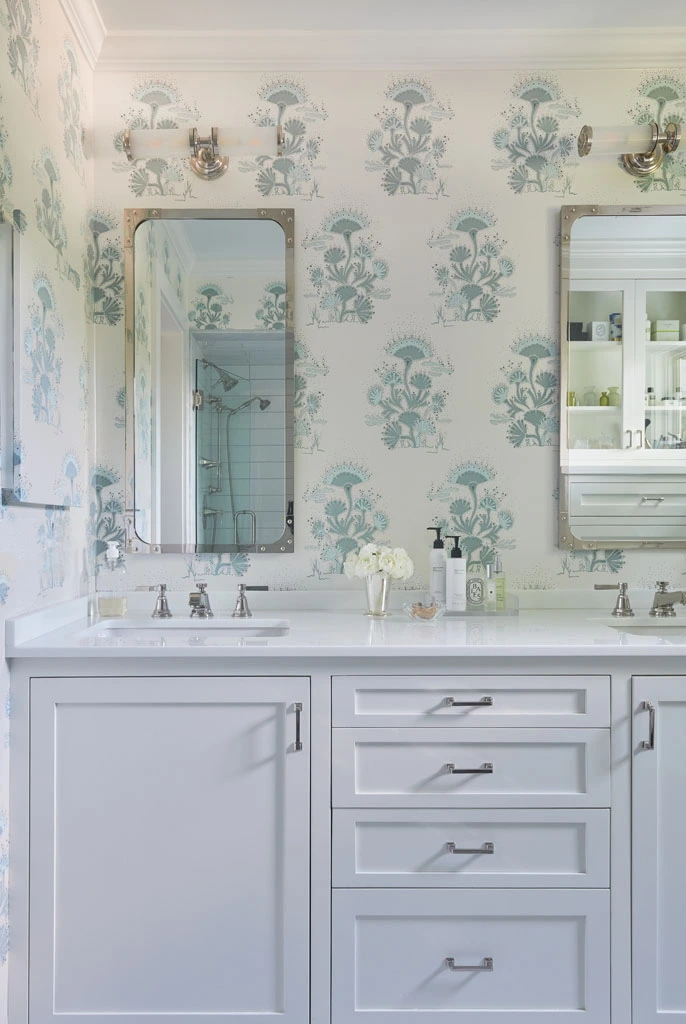
Wallpaper tends to outstay its welcome. White Plains homes hold plenty of it. Think pre-war colonials, postwar ranchers, and older apartment buildings with three or four owners behind them.
So wallpaper removal comes up constantly once a homeowner decides to paint. It’s also the job people underestimate most. Anyone who’s tried it once knows the truth. The work is messier, slower, and trickier than the tutorials let on.
This guide covers the whole process. You’ll see what makes removal hard, how to protect your walls, and when new paper beats paint.
Why Wallpaper Removal Is Harder Than It Looks
Three things decide how tough your project gets. The type of paper. The condition of the wall underneath. And the way someone installed it in the first place.
Vinyl-Coated Paper From the 1970s and 1980s
Modern peel-and-stick paper comes off easily enough. Traditional wallpaper behaves nothing like it, and the vinyl-coated paper from the 70s through the 90s causes the most trouble.
Installers of that era used oil-based adhesive, often over walls nobody bothered to size first. The paper then bonded straight to the drywall face paper or to old plaster. Pull it without the right technique and the drywall facing tears off with it. You end up with a rough, chewed surface that needs heavy skim coating before a drop of paint goes on.
Plaster Walls in Older White Plains Homes
Plaster forgives more. It’s a harder substrate, so it won’t tear the way drywall paper does.
Old paste on plaster still holds on stubbornly, though. Plaster also has its own quirk. Once the paper comes off and fresh paint goes up, every shrinkage line shows again. Repair work matters as much as the removal itself.
The Removal Process That Protects Your Walls
A professional sequence keeps the wall intact. Here’s how our crews work through a room.
First we score the field, meaning the top vinyl or paper layer. Scoring lets moisture through without cutting into the wall surface. Then we apply a removal solution and let it sit. The chemistry softens the adhesive and releases the paper from the substrate. Next we pull the paper in sections while the adhesive is still wet. Last, we clean the leftover glue off the walls.
Why Dwell Time Beats Elbow Grease
Patience does more than pressure here. Dwell time on the solution matters far more than how hard anyone scrapes.
Rushing causes the damage. Scrape before the adhesive lets go and the wall pays for it. A good crew has the tools, and more importantly the discipline, to let the chemistry finish its work first.
What Happens After the Paper Comes Off
Now the walls need a real assessment. On drywall, we skim-coat and sand every spot where the facing paper tore.
Plaster usually needs a different fix. Old adhesive residue often calls for extra cleaning plus a coat of oil-based primer to seal the surface. Skip that step and latex paint can blister over the remaining paste.
Paint the Wall or Hang New Paper?
Removal sometimes uncovers walls in worse shape than anyone expected. Patches, uneven texture, and glue residue that ghosts through the first coat. You have two good paths from there.
Skim coating the full wall is the thorough one. A thin layer of joint compound across the whole surface creates a smooth, paint-ready substrate. It costs more and takes longer. You get walls that accept any sheen, including flat paint, which hides nothing.
New wallpaper makes a smart alternative in some rooms. Fresh paper covers imperfections that would otherwise demand hours of prep. If you wanted pattern or texture in that space anyway, papering can cost less than skim coating for paint.
Wallpaper Installation Today
Wallpaper came back in a big way, and the products changed along with the trend. Peel-and-stick lines from Tempaper and Chasing Paper let you try a pattern without a permanent commitment. They really are easy to put up and take down.
Traditional paste papers now come in wider ranges than ever: grasscloth, linen, and specialty materials next to classic prints.
Hanging paste wallpaper well takes real prep. The wall needs sizing or primer. The pattern needs precise matching, the seams need clean work, and the adhesive has to suit the material. Mismatched seams or bubbling from the wrong glue look worse than the old paper you just removed. Installation quality separates a feature wall that makes a room from one that makes it look unfinished.
What Makes White Plains Projects Different
Our market has its own patterns, and two of them shape almost every estimate we write here.
Apartments and Co-ops
Downtown White Plains holds a large stock of older apartment buildings and co-ops. Single-family neighborhoods like Gedney Farms and Battle Hill sit close by. Removal in a unit carries the usual building logistics. We coordinate with management, respect working-hour rules, and protect hallways and elevators throughout.
Layers on Layers
Single-family homes here often hide multiple generations of paper on one wall. That’s far more common in White Plains than in newer construction markets. Two or three layers multiply the difficulty and the hours. When we spot layering during an estimate, we say so and price the extra hours before anyone signs.
Accent Walls and Partial Applications
Wallpaper doesn’t have to cover every wall. One papered wall against three painted ones gives you a focal point for a fraction of the cost. It’s also the easiest way to bring pattern into a White Plains home.
Certain spots do this especially well. A dining room feature wall works. So does the headboard wall in a primary bedroom. Powder rooms may top the list, where a bold pattern over full coverage says the most.
Accent walls suit downtown apartments and co-ops particularly well. Peel-and-stick paper on one wall gives a renter real personality and peels off at move-out with no management involvement. A pasted installation in an owned unit asks for more commitment. The right paper on the right wall makes a bedroom feel designed rather than simply painted.
Coordination decides whether the wall works. Your paint color should pull from the paper’s palette without matching it exactly. We handle color consultation on every wallpaper installation. Our team picks the paint from the paper before anyone orders product.
A Century of Wallpaper in Westchester Homes
White Plains housing spans well over a hundred years, and paper shows up in every decade of it. Victorian and early 20th century rooms carried elaborate florals and damask. Mid-century brought the bold geometrics now enjoying a revival. The 70s and 80s delivered vinyl-coated patterns in earth tones, often with flock or foil. Those fill most of our removal calendar today.
That history changes how we bid a job. A 1925 house in Battle Hill might carry paper from 1930, papered over in 1960, then again in 1985. Each layer responds to a different technique, and fragile original plaster sits under all of it. Knowing that going in keeps the estimate honest and the project free of surprises.
When Removal Uncovers Something Worth Keeping
Once in a while, the paper comes off an older White Plains home and reveals something good. Original plaster in excellent shape, smooth and sound, sometimes looks better than anything that covered it. We’ve also found original decorative painting and stenciling under the layers.
Rare, yes, but it happens. When something unexpected turns up mid-project, we stop and talk it through with you first. Better to know what you have before a roller covers it forever.
Frequently Asked Questions
How long does wallpaper removal take in a White Plains home?
It depends on the room size, the paper type, the number of layers, and the wall condition underneath. A standard bedroom with one layer in decent shape takes one to two days, including removal, cleaning, and prep. A dining room with several layers of old vinyl can run three to four days. We give you a specific timeline at the estimate visit, once we’ve seen the paper and the substrate.
Will wallpaper removal damage my walls?
Done right, with the correct solution and enough dwell time, removal shouldn’t cause meaningful damage. Drywall carries the highest risk, and that risk spikes when someone pulls the paper before the adhesive lets go. Plaster holds up better because it’s a tougher substrate. We check the walls before starting and flag anything that may need repair.
Can you remove wallpaper and paint the same day?
No. The walls have to dry out completely first. We also need to clean off residual adhesive, cure any repairs, and prime. Paint applied over leftover paste bubbles or fails to stick. Figure two to three days minimum from the start of removal to a paint-ready surface.
Do you handle wallpaper installation as well as removal?
Yes, we do both. On installation projects we check the wall condition and complete any prep first. That means sizing or priming so the wall doesn’t drink up the adhesive. We also fix surface irregularities that would telegraph through the new paper.
What types of wallpaper do you install?
We hang traditional paste papers: vinyl, grasscloth, linen, fabric-backed, and specialty materials. Commercial-grade wallcoverings too. We generally skip peel-and-stick removable papers, since those really are DIY-friendly and don’t need a pro.
How much does wallpaper removal cost in White Plains?
What a room costs comes down to its size, the type and number of wallpaper layers, and the condition of the wall underneath. Room size drives the range, along with the type and number of layers and the shape of the wall underneath. Several layers of old vinyl, or substrate damage that needs repair, push a room toward the top of that range. You get an itemized estimate before we start. Call 1 (800) 687-9470 or visit palette-pro.com.
What happens between removal and painting?
We clean the residual adhesive off, check the substrate, and repair what needs repairing. Then we prime, often with an oil-based product that seals the wall after adhesive removal. It dries fully before the topcoat goes on. Badly damaged or uneven walls get a skim coat first, which beats painting straight over patchwork every time.
Ready to tackle wallpaper removal or installation in your White Plains home? Palette Pro Painting & Renovation has earned 140+ five-star Google reviews from homeowners across Westchester and Fairfield counties. Call 1 (800) 687-9470 for a free estimate, or visit palette-pro.com.
Related reading
- interior painting for every White Plains style
- choosing wallpaper that fits your rooms
- how often interiors should be repainted
- what we offer White Plains homeowners
